
Before & After Photos
Click on a photo to enlarge.
Moisture Issues in a Toano, VA Crawl Space

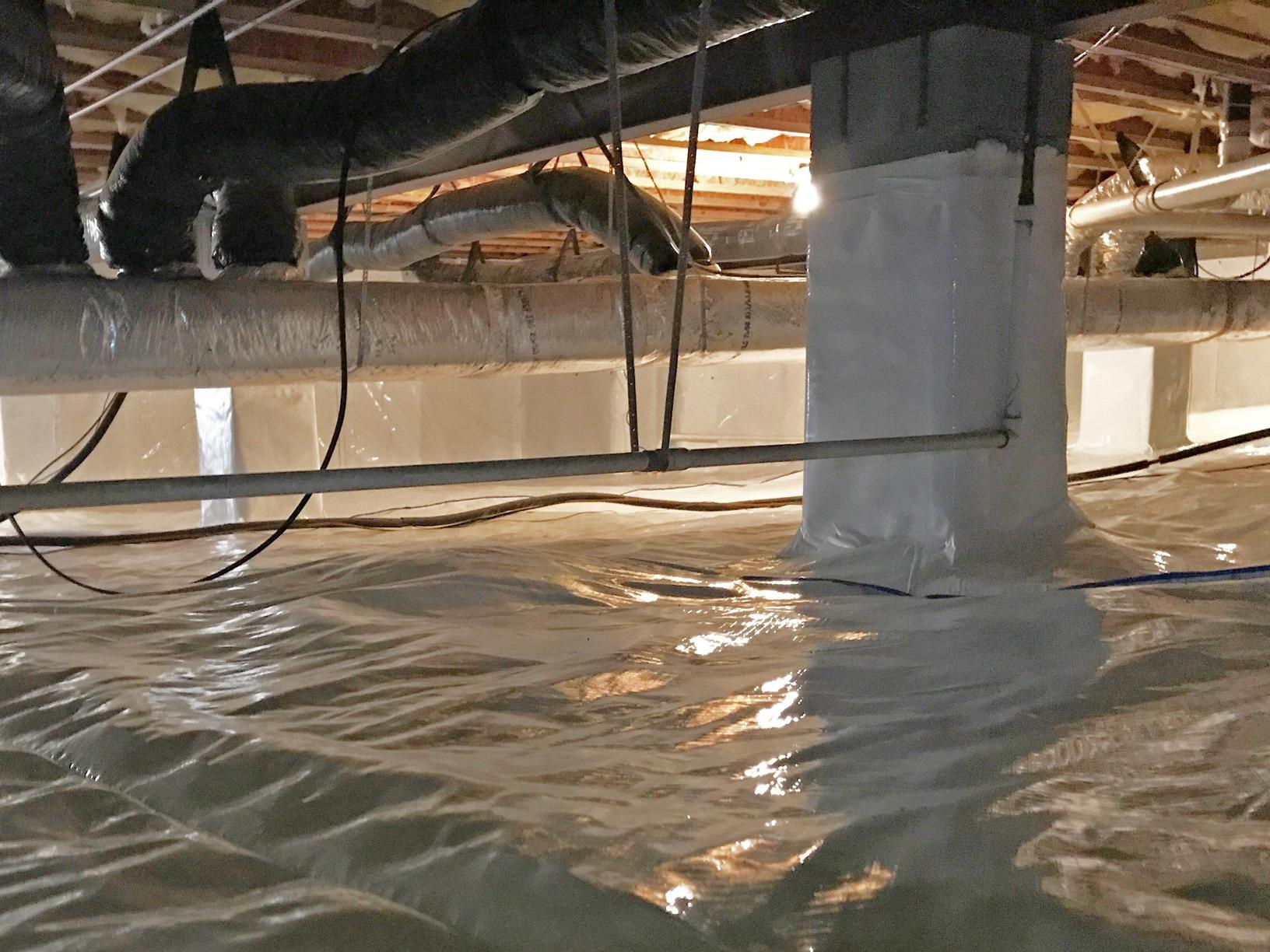
This homeowner had concerns about water entering their crawl space. At our inspection one of the concerns, we found that the existing vapor barrier was not sealed, allowing moisture in. As part of the solution, we installed a 20mil Heavy-duty, Vapor Barrier with UltraFresh Antimicrobial built-in, called CleanSpace. We ran it up the walls sealing it and leaving a 2" viewing strip for a termite inspection and sealed and wrapped all the piers.
Cellulose Attic Insulation in Hampton, VA


We installed dense packed cellulose insulation in the attic rafters of a Hampton, VA home. As you can see, the attic was completely bare before our insulation was added. If the attic is left like this, the home can become extremely uncomfortable. It makes the adjacent rooms ridiculously hot in the summer, wasting the conditioned air seeping through the cracks. The energy bill can become way more expensive than it should be. By insulating this home, we have created a barrier so the homeowners can save on their energy bill in the long run.
Spray Foam Insulation in Attic Rafters


This Williamsburg, VA homeowner opted to have their attic insulated from the rafters with closed cell spray foam insulation. This solution is ideal for attics that house HVAC equipment, are used for storage, or that the homeowner would like to convert to a finished space. Insulating from the rafters extends the thermal barrier of the home and helps control attic temperatures.
Crawl Space Door Replacement in Williamsburg, VA
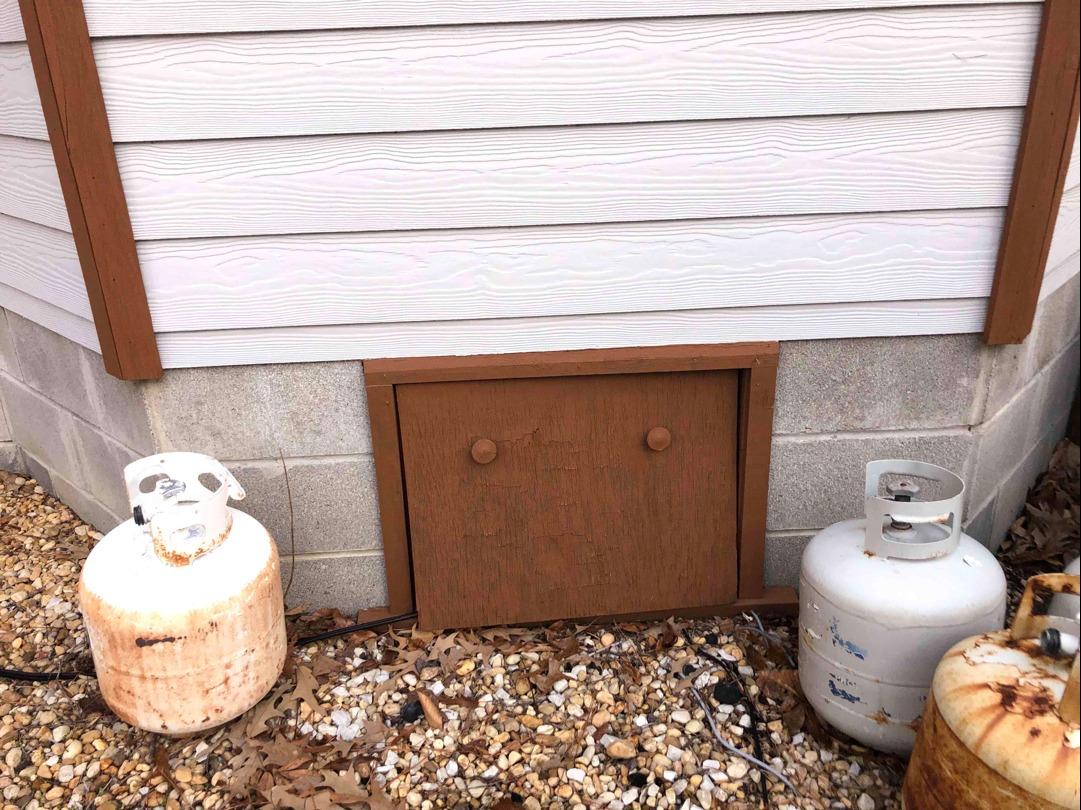

The old crawl space door has warped and doesn't fit neatly over the access, making it easy for small critters and pests to find their way in.
An interior friction fit door that offers an R-10 of insulation was installed behind the new Crawl space door. The new door will not rust, rot, warp or fade, and meets most HOA requirements.
Crawl Space Encapsulation in Williamsburg, VA


Moisture has been wreaking havoc in this crawl space for years resulting in damage to the fiberglass insulation, mold/mildew growth on the floor joists, and poor indoor air quality.
All of the old and damaged materials have been cleaned out, mold and mildew were treated with antimicrobial, all vents were sealed, a heavy-duty vapor barrier installed, Spray Foam insulation was applied to the crawl space walls, a friction fit crawl space door is installed, the rim band and sill plate are sealed, and a dehumidifier is installed to control the relative humidity in the crawl space and help prevent future microbial growth.